
Introduction
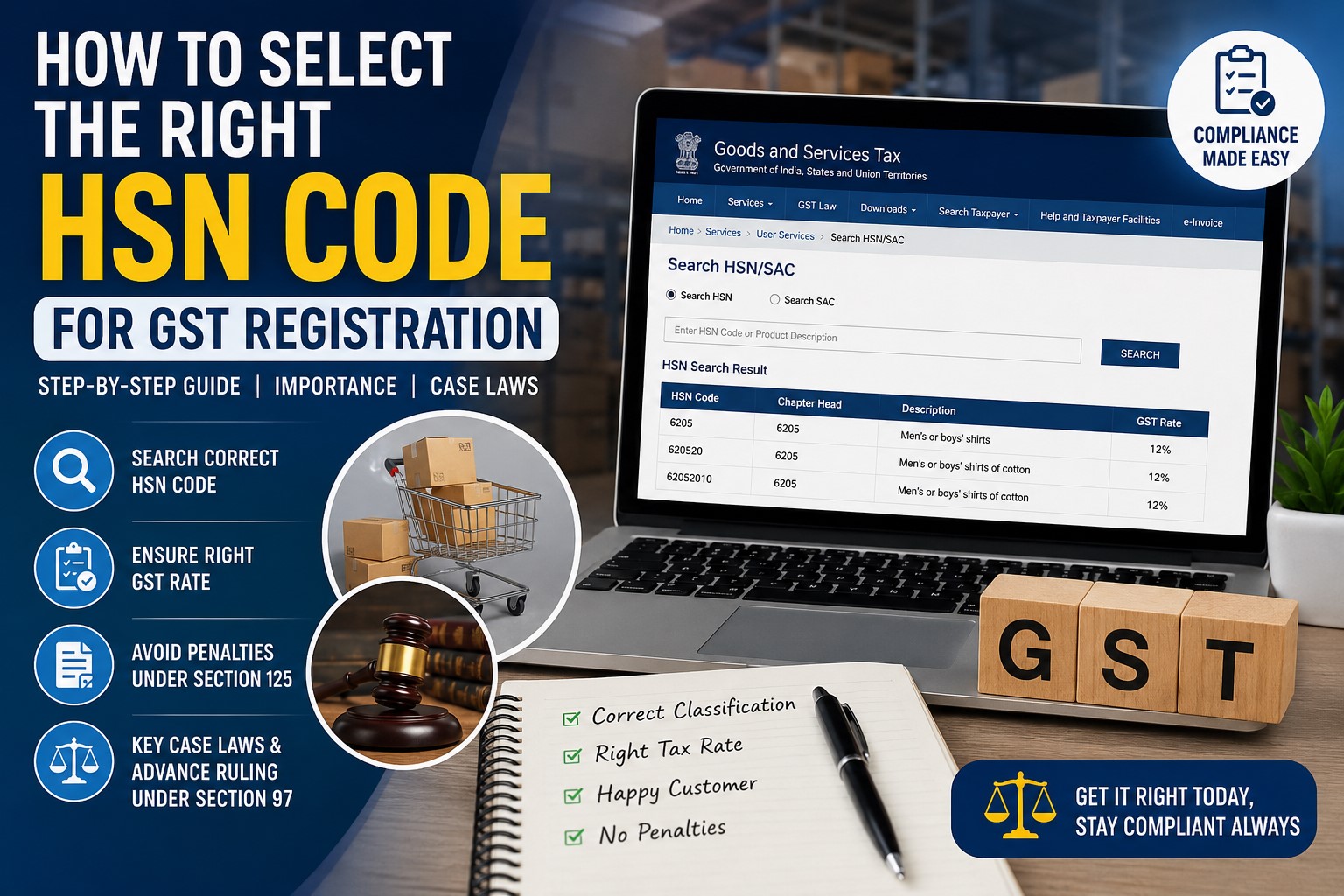
Choosing the correct Goods and Services Tax (GST) code is an essential part of maintaining accurate business accounts. GST coding helps businesses classify sales, purchases, and expenses according to the applicable tax treatment. Correct coding supports accurate tax reporting, simplifies bookkeeping, and helps businesses meet their compliance obligations.
Incorrect GST coding can lead to reporting errors, incorrect tax calculations, and additional work when preparing a Business Activity Statement (BAS). By understanding how GST codes work and reviewing transactions carefully, businesses can improve the accuracy of their financial records.
Steps to Choose the Correct GST Code
1. Understand the Different GST Categories
Before assigning a GST code, businesses should understand the tax categories relevant to their transactions. In Australia, common GST treatments include:
1. GST on sales:
Generally applies to taxable sales where GST is charged at the applicable rate.
2. GST on purchases:
May apply to business purchases where GST is included in the price and the business is entitled to claim an input tax credit.
3. GST-free transactions:
Certain goods and services, such as qualifying basic food and some health services, may be GST-free.
4. Input-taxed transactions:
Certain supplies, including many financial supplies and residential rent, are generally input-taxed. Businesses usually cannot claim GST credits for purchases relating to making these supplies, subject to applicable exceptions.
2. Review Invoices and Supporting Documents
Always examine supplier invoices, sales invoices, and receipts before assigning a GST code. Check whether GST has been charged, whether the supplier’s details are correct, and whether the purchase relates to business activities.
A valid tax invoice may be required to claim GST credits, depending on the circumstances. If an invoice is unclear or contains inconsistent information, seek clarification from the supplier before finalizing the transaction.
3. Determine Whether the Transaction Is Business-Related
Not every expense qualifies for a GST credit. Consider the purpose of the purchase and whether it relates to the business.
For example, a business purchase may qualify for a GST credit if the relevant requirements are satisfied. However, private expenses and certain restricted purchases may not qualify. Businesses should also consider any apportionment required when an expense has both business and private use.
4. Use Accounting Software Correctly
Accounting software such as Xero or MYOB can simplify GST coding by providing predefined tax rates and transaction categories. However, automated suggestions are not always correct.
-
Review default GST settings when setting up accounts.
-
Check tax codes before approving transactions.
-
Avoid applying the same code to every purchase or sale.
-
Update settings when business activities or tax requirements change.
5. Review GST Codes Regularly
Regularly reviewing transaction records can help identify incorrect codes, missing invoices, and unusual tax treatments. Reconciling accounting records with bank statements and reviewing GST reports before lodging a BAS can reduce errors. If a transaction involves complex GST rules, consult a qualified accountant or registered tax professional.
Conclusion
Choosing the correct GST code requires a clear understanding of the transaction, careful invoice checks, and consistent bookkeeping practices. By reviewing tax categories, using accounting software responsibly, and checking records regularly, businesses can improve GST reporting accuracy and reduce compliance risks. Professional guidance can provide additional confidence when transactions involve complex GST requirements.